
Modern digital creators are expected to produce visual content faster than ever. From marketing teams to independent creators, the pressure to transform ideas into polished visuals has increased dramatically. A single campaign may require dozens of images, visual concepts, and creative variations, all produced within tight deadlines.
Traditional design workflows often involve switching between multiple tools for ideation, editing, and final production. This fragmented process slows down creativity and adds unnecessary complexity. Creators spend more time managing tools than actually developing ideas.
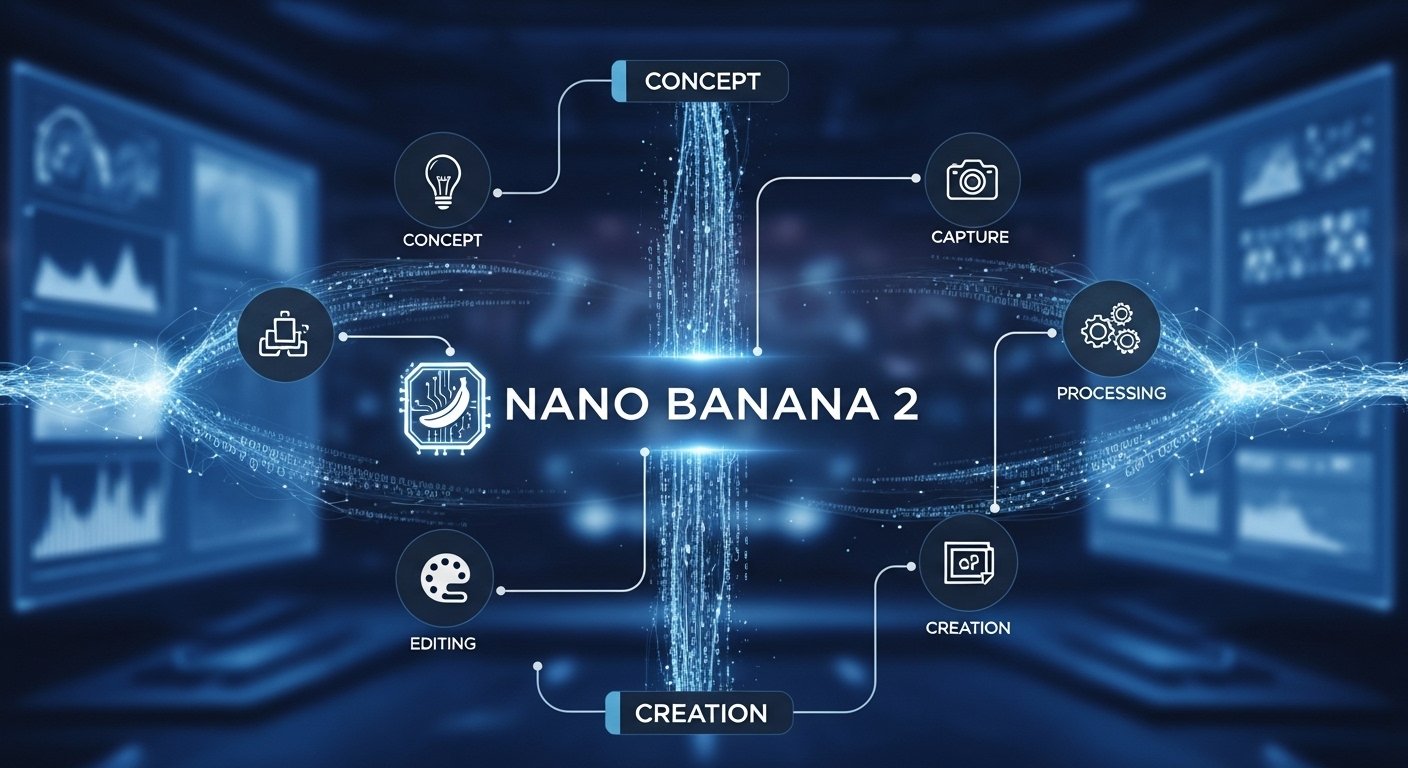
Today, intelligent visual technologies are reshaping how images are conceptualized and produced. Instead of manually experimenting with multiple designs, creators can generate, refine, and iterate visuals much more efficiently. One of the most notable innovations contributing to this shift is Nano Banana 2, which helps streamline the journey from a rough idea to a finished visual asset.
By simplifying image generation and iteration, this technology allows creators to focus more on storytelling and less on technical hurdles.
Rethinking the Image Creation Process
For years, the creative workflow for visual assets followed a familiar pattern: brainstorm concepts, sketch ideas, create drafts, revise repeatedly, and finalize designs. While effective, this process could be time-consuming and often required multiple revisions before reaching a usable result.
This is where Nano Banana 2 introduces a more efficient approach to image creation. Instead of relying on lengthy manual processes, creators can rapidly generate visual interpretations of their ideas and refine them in minutes.
Rather than starting with a blank canvas, creators begin with concepts. These ideas can quickly be translated into images, allowing teams to test different creative directions without committing hours to a single design.
The biggest advantage of this approach is the speed of experimentation. Marketing teams can explore multiple visual styles for a campaign, content creators can quickly visualize storyboards, and designers can iterate on concepts without losing creative momentum.
In essence, the technology reduces the gap between imagination and execution.
Faster Iteration and Creative Exploration
Creative work thrives on experimentation. However, the ability to explore ideas is often limited by time, budget, and technical resources. When every revision requires manual editing, experimentation becomes slower and more expensive.
This is another area where Nano Banana 2 significantly improves the workflow. It allows creators to generate multiple visual variations quickly, helping them evaluate different compositions, styles, and moods without starting from scratch each time.
For example, a marketer working on a product campaign might need several visual directions for different audience segments. Instead of creating each variation individually, creators can quickly generate multiple versions and refine the most promising ones.
This flexibility encourages creativity rather than restricting it. Designers are free to experiment with bold visual concepts because generating alternatives no longer consumes large amounts of time.
The result is a workflow where creativity flows naturally, supported by technology rather than slowed down by it.
A Major Step Toward Integrated Creativity
Another major challenge for creators is the need to switch between different tools for images, videos, and audio. A project might begin with image creation, move to video editing, and then require additional audio or music integration.
This fragmented workflow can quickly become inefficient.
A more effective approach is to bring these creative capabilities together within a single environment. One notable development in this direction is the integration of Nano Banana 2 within invideo. In other words, the technology is now available directly inside the platform, allowing creators to generate and refine visuals without leaving their primary creative workspace.
This integration benefits creators by removing the need to export images between multiple platforms. Instead, visuals can move seamlessly from concept generation to further editing or production.
For content creators, marketers, and creative teams, this means fewer interruptions and a smoother creative pipeline. Ideas can be tested instantly, refined quickly, and incorporated into broader content projects without unnecessary delays.
The result is a more connected workflow where visual ideation naturally fits into the larger content creation process.
How Integrated Platforms Are Changing Content Creation
The future of creative production lies in unified platforms that combine multiple capabilities in one place. Instead of relying on several disconnected tools, creators can now handle most stages of content production within a single creative environment.
This is where platforms like invideo play a major role. Rather than focusing solely on video editing, the platform functions as a comprehensive AI-powered creative suite designed to support the entire content production process.
Creators can work with visuals, audio, music, and other creative elements without jumping between multiple digital ecosystems. This centralized approach significantly improves efficiency and helps maintain creative consistency throughout a project.
One particularly powerful capability within such platforms is the ai video generator, which allows creators to transform ideas into complete videos quickly. By combining automated video creation with image-based workflows, creators can build entire visual narratives more efficiently.
For marketers and content creators, this means that images generated earlier in the workflow can easily become part of larger video storytelling projects. Instead of treating visuals and videos as separate processes, creators can integrate them into one cohesive production pipeline.
This shift toward unified creative ecosystems is redefining how digital content is produced.
Why Streamlined Workflows Matter for Modern Creators
Efficiency is no longer just a convenience in creative work—it is a necessity. Businesses and creators must consistently produce engaging visual content for websites, social platforms, marketing campaigns, and digital storytelling.
Without efficient workflows, creative teams can quickly become overwhelmed by the volume of content required.
Technologies like Nano Banana 2 help address this challenge by accelerating the image creation stage of the content pipeline. When visuals can be generated, tested, and refined quickly, teams gain more time to focus on strategy, messaging, and storytelling.
This shift has several major benefits:
- Faster content production
Creators can move from idea to visual asset in minutes instead of hours. - Increased creative experimentation
Teams can explore multiple creative directions without worrying about time constraints. - Reduced tool fragmentation
Integrated workflows eliminate the need to manage multiple separate tools. - Greater creative consistency
Visual elements can be developed in harmony with the overall content strategy.
Together, these advantages help creators produce better content while maintaining efficiency.
The Future of Image-Driven Creativity
The digital content landscape is evolving rapidly. Visual communication has become central to marketing, education, entertainment, and social media engagement.
As a result, creators need tools that support both creativity and speed. Technologies that simplify the journey from concept to creation will continue to shape the future of digital storytelling.
Innovations like Nano Banana 2 demonstrate how image generation can become faster, more flexible, and more integrated into the broader content production process. Instead of treating image creation as a standalone step, modern workflows connect it seamlessly with video production, audio integration, and overall content strategy.
Platforms that combine multiple creative capabilities in one place are likely to define the next generation of digital content tools. By reducing technical barriers and simplifying workflows, they allow creators to focus on what truly matters—bringing ideas to life.
Final Thoughts
Creative workflows are undergoing a major transformation. The ability to move quickly from concept to finished visuals is becoming essential for anyone producing digital content at scale.
By simplifying image creation and supporting faster experimentation, modern visual technologies are empowering creators to work more efficiently and creatively. Integrated platforms further enhance this experience by connecting image generation with broader content production capabilities.
As digital storytelling continues to evolve, streamlined workflows will play a crucial role in helping creators turn their ideas into compelling visual experiences.